Listen
Frame the user, visitor, learner, or customer before defining the experience.
Early UX studies and a later brand concept that helped shape how I approach people, experience, design, and purpose.
These are formative projects from 2023 and 2025. They show the questions I asked, the concepts I built, and the skills I practiced along the way.


 Original boards from the four projects
A transparent portfolio record. The 2023 projects are early UX exercises. Honeylu’s Estate is a 2025 graduate brand concept. Together, they document foundations rather than claimed commercial launches.
2023 → 2025A smoother journey through an art museum.
This UX study considered the visitor experience around a gallery visit and explored how a digital interface could make that journey easier to follow.
Foundation illustrated Mapping an experience from the visitor’s point of view before shaping the interface.


Traditional art, presented through a digital experience.
This portfolio UX study explored how the qualities of traditional artistry could be carried into a digital journey, from presentation to interactive prototype.
Foundation illustrated Translating work made in one medium into a usable experience in another.
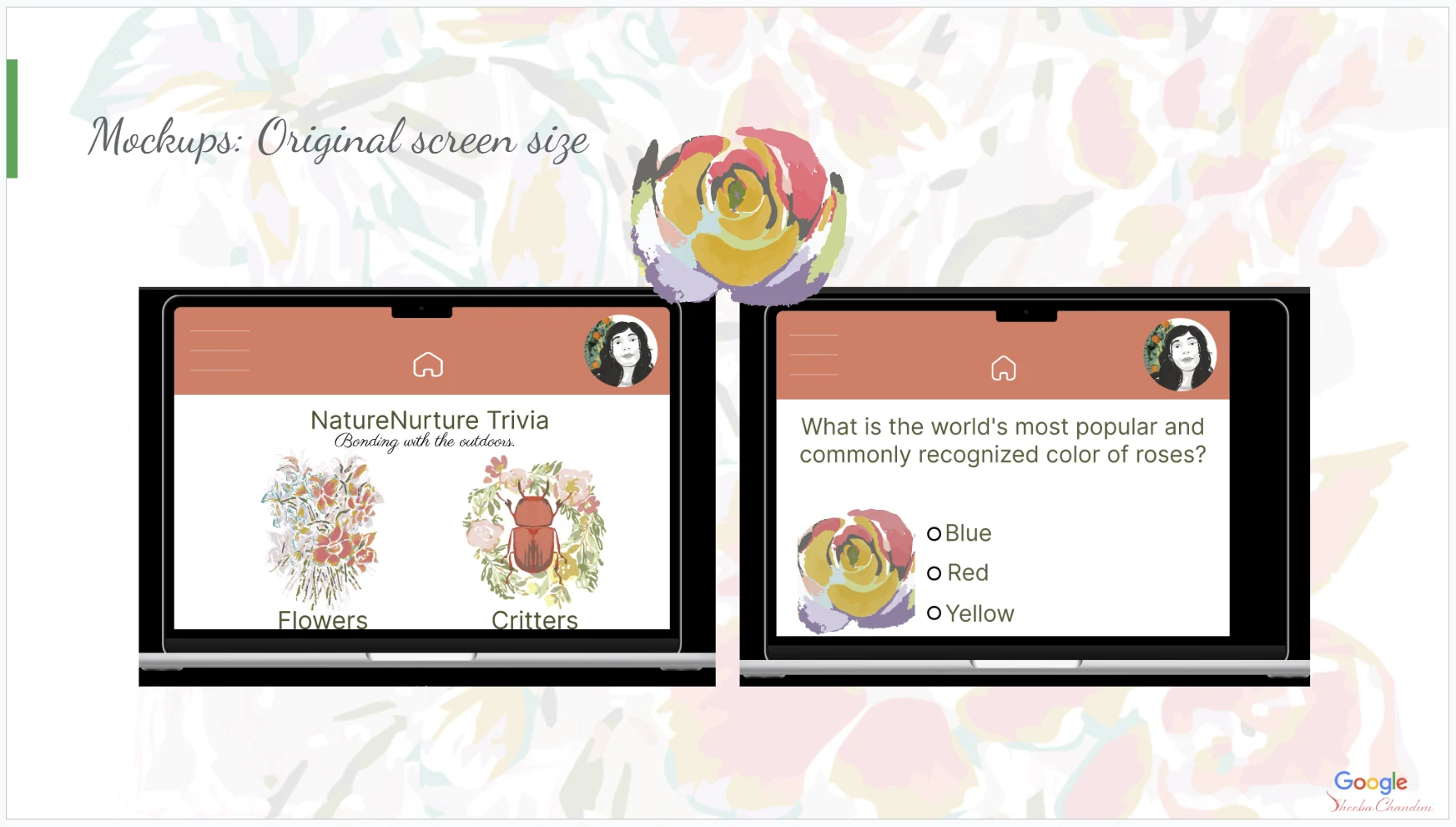
A playful way for children to discover flowers and critters.
NatureNurture Trivia explored child-focused learning about the outdoors. The case study includes user research, personas, early wireframes, screen designs, and recorded usability observations.
Foundation illustrated Designing for a specific audience and using feedback to reconsider the experience.
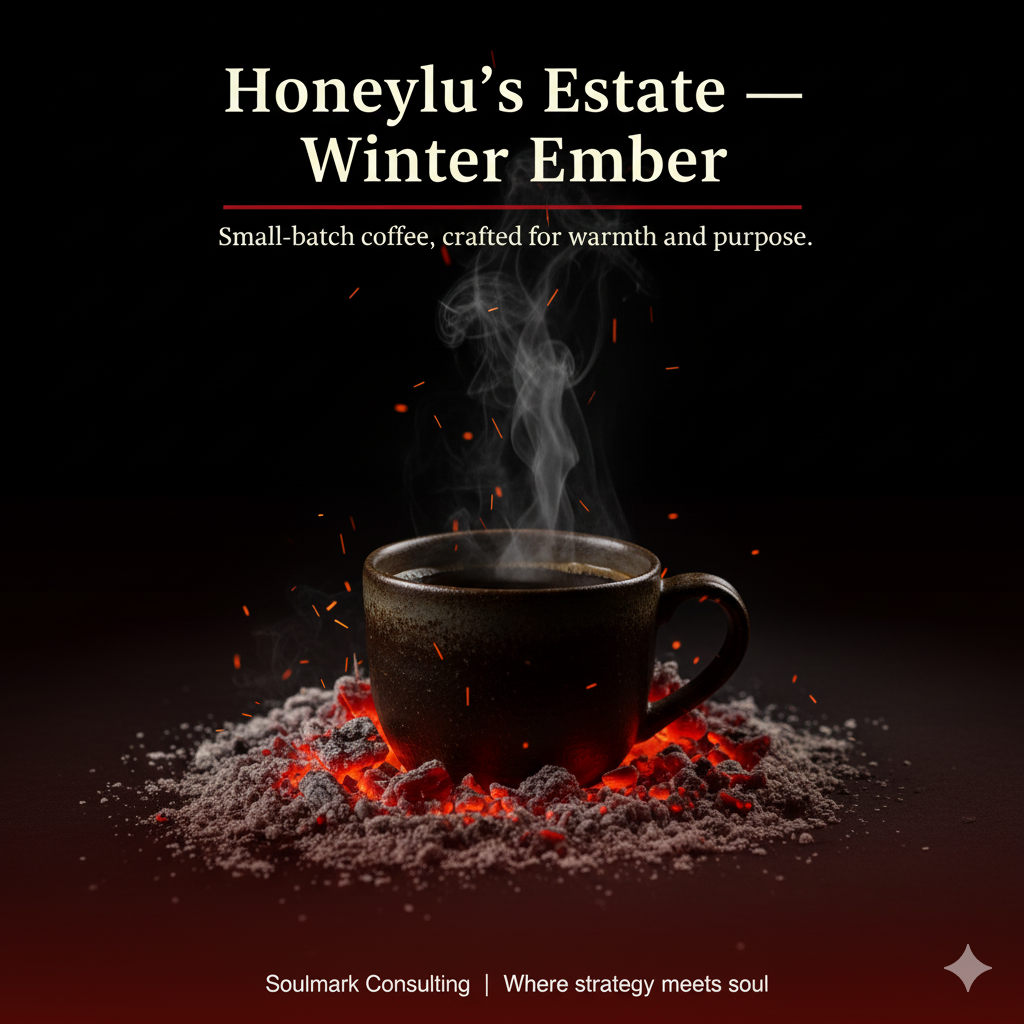
Winter Ember: a seasonal coffee brand concept with a community dimension.
Created during graduate brand strategy and design work at Illinois Institute of Technology. The project joined premium positioning, packaging direction, and a proposed “Warm Hearts, Warm Paws” initiative supporting local dog shelters.
Foundation illustrated Connecting identity, audience, and purpose in one coherent proposal.
Different subjects, one habit: begin with people and the context around them, then make the idea concrete enough to examine.
Frame the user, visitor, learner, or customer before defining the experience.
Move from a broad idea into a journey, screen, identity, or proposal.
Give people something visible to inspect and respond to.
Record what worked, what was proposed, and what remains an early concept.
